


Frequently Asked Questions
Find answers to commonly asked questions below.

Pigeons seem harmless until they move in under your solar panels. Then it's droppings on the tiles, twigs in the gutters, a cooing noise through the ceiling at dawn, and a roof that needs cleaning more often than it should.
This guide explains why pigeon proofing solar panels is worth doing: why pigeons choose the space under an array, what they leave behind, what the risks really are (and which claims you shouldn't take at face value) and what closes the gap for good.
Pigeons look for sheltered ledges, and the gap under a solar array is a good one. It's out of the rain and wind, shaded from the sun and often warm, with a flat surface to nest on. A row of panels can look a lot like a shed roof from a pigeon's point of view.
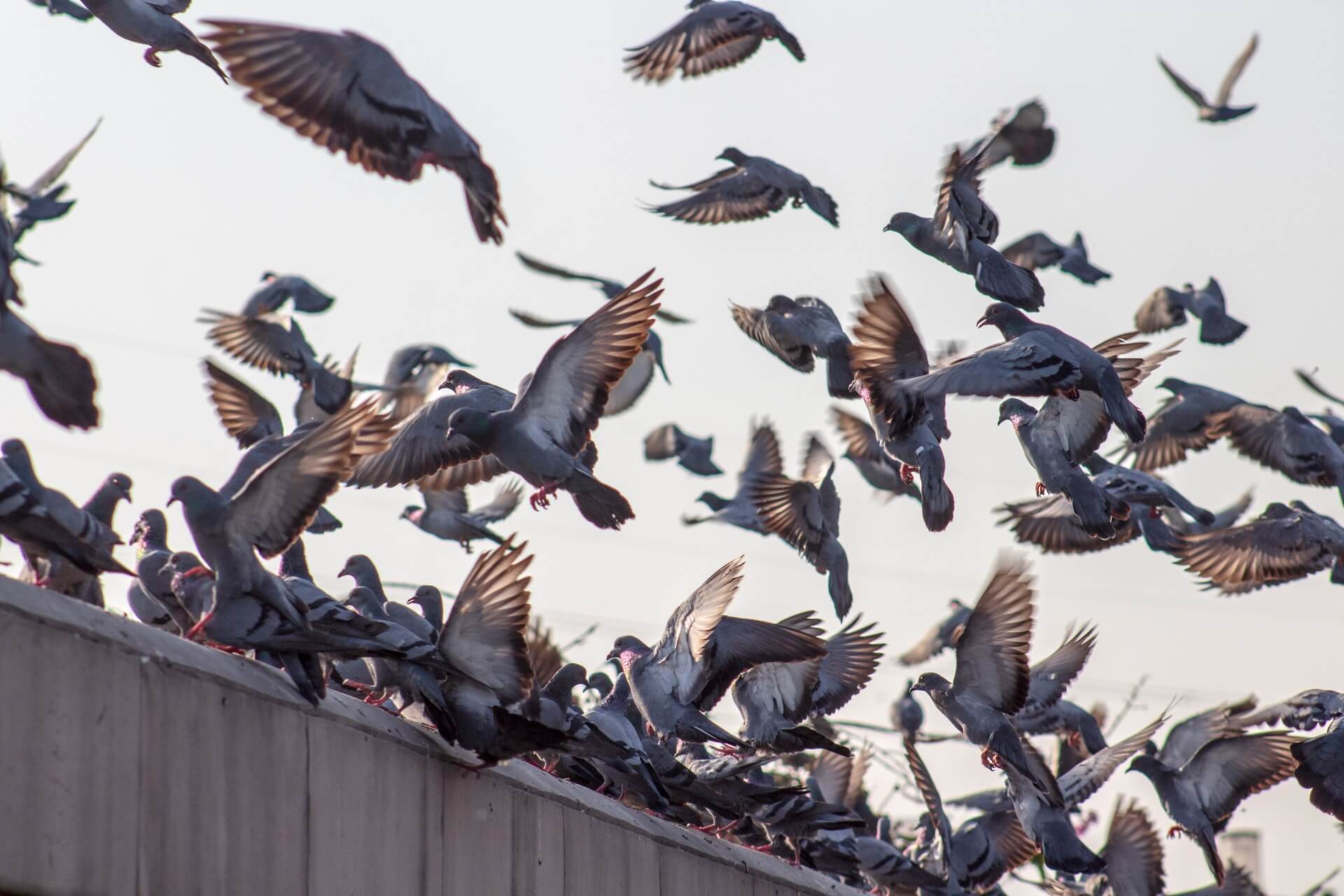
Some roofs are more exposed than others. Sunny conditions draw birds to sheltered spaces under panels, and urban areas with lots of birdlife, shallow-pitched roofs and a history of nesting are higher-risk.
Pigeons are also persistent. Councils note that nests need to be removed regularly over the long term to discourage persistent pigeons from nesting in the same place.
Signs that pigeons have moved in under your panels:
A nest is more than a few twigs. Over a season it becomes a growing pile of nesting material, feathers, droppings and debris, and not all of it stays put.
On that last point, removing panels just to clean beneath them is much more expensive than proofing against birds in the first place.
Pigeons are the first problem. Rodents are often the next. A warm, sheltered gap with nesting material in it is an inviting place for them, and rats and possums chew wiring. Mice are just as bad for electrical installations, and PVC insulation is no match for sharp teeth.
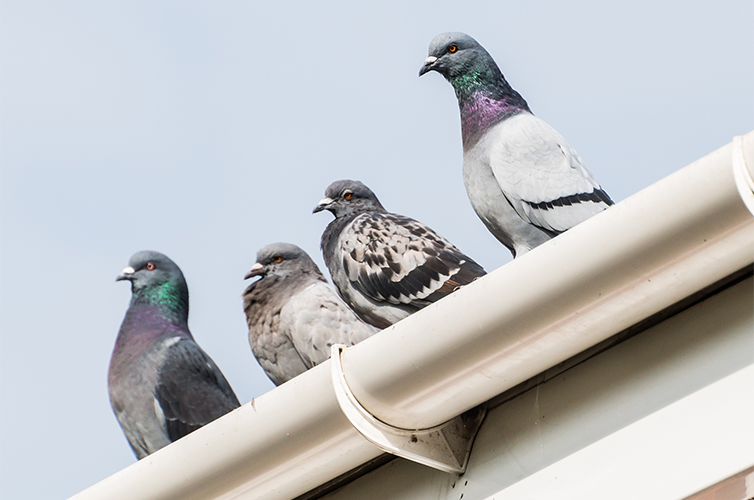
Possums are protected native animals. In NSW it's illegal to relocate or kill a possum, or to trap and release one, without a licence, and the state's advice is to seal entry points only when you're sure the possum has left the roof to forage. So the answer is exclusion, never removal.
Australian summers don't help. Heat makes the shaded gap under panels more attractive, and hot, dry conditions are tough on materials. Mesh that copes with UV and weather is part of getting a result that lasts.
Mesh closes the gap under the panels. It doesn't make the whole roof pest proof, so look at gutters and eaves too.
Here's where it pays to be careful, because the internet is full of big claims. Some websites quote precise figures for how much droppings reduce panel output, or say nests are a fire hazard or void your warranty. Those numbers vary wildly between sources and are rarely backed by tests you can check, so we won't repeat them.
What the better sources do agree on is practical:
If you're concerned about output, your solar installer or panel manufacturer is the right person to ask. Check your warranty terms directly rather than relying on a blog, ours included.
Bird proofing is a one-off cost. Our solar mesh kit starts at $160.06 for 30 metres at the current price, and published estimates for a professional clean plus mesh job run higher, at about $500 to $900.
Doing nothing isn't free either. You pay in repeat clean-outs, in time, and in the risk of damage if animals get at your cabling. What pigeon proofing costs is worth working out so you can see where you land.
The principle is simple. Pigeons need a way in and a surface to nest on, and mesh around the edge of the array removes both.
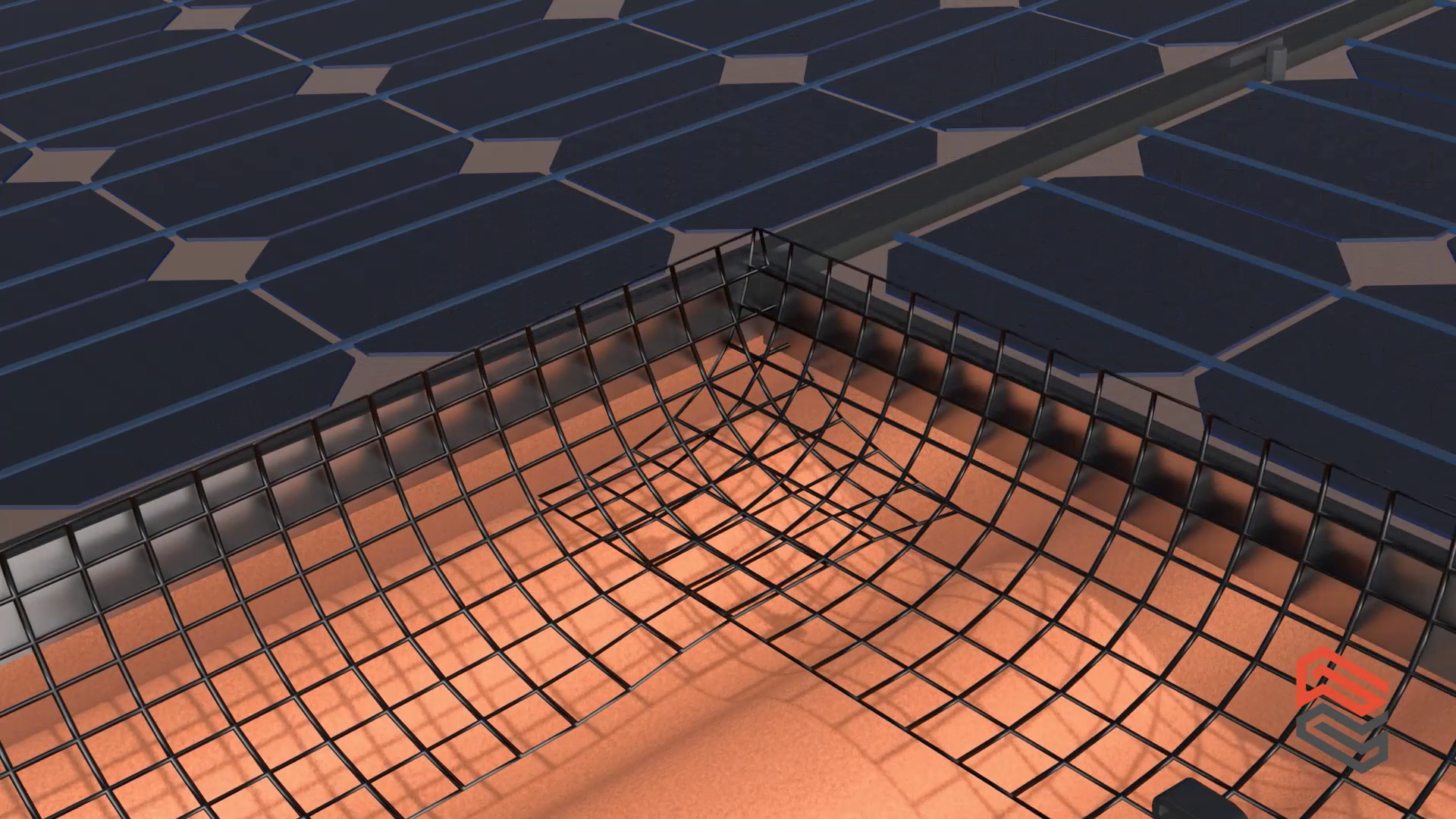
Our Solar Mesh Kit is 200mm wide with a 0.7mm Q195 carbon steel core that's electro-galvanised and PVC coated, finishing at 1.0mm, with half inch (about 12.7mm) openings. It's clipped through to the inside lip of the panel using nylon washers and trimmed to fit, and and every kit follows the same method.
Act before nesting is established, because it's much easier to keep a clean space clean. Measure your array's perimeter, then see which kit size fits. If you'd like help, call us on 1300 032 760.
Any roof with panels can attract pigeons, but some set-ups are more inviting than others.

If you're having solar installed, it's worth asking about bird proofing at the quoting stage. Fitting mesh while the installer is already on the roof can save a second visit.
The order matters. First, work out what you're dealing with. Feral pigeons are a pest species, but other birds, and some other animals, are protected, and the rules differ between states. If you're not sure what's up there, ask your state wildlife authority before you disturb anything.
Once you know it's pigeons, the nest and the droppings need clearing before the gap is closed, and that's a job for protective gear: gloves, goggles and a mask, as council guidance recommends. Reaching under a fixed array is awkward, and a roof is a hazardous place. Safe Work Australia advises treating every roof as fragile. If you're not comfortable with the height or the access, a professional is the right call.
Then close the gap. There's no point cleaning out a nest site and leaving the door open for the next pair.
For a single storey roof with a small array, many homeowners fit mesh themselves. Higher roofs, tiled roofs and large arrays are a different matter. Weigh up DIY against a professional honestly, and if you go DIY, take your time fitting the mesh.
If you're ready to act, bird proof the array before nesting is established, and avoid the common mistakes that lead to a second attempt.
A note on timing. Pigeons settle in quickly and return to places they know, so the sooner the gap is closed, the less there is to clear out. If nesting is already underway, work out what you're dealing with first, because some birds and their nests are protected, and clear the space before the mesh goes on. Closing the gap after a clean-out is what stops the next pair moving in.
Mesh: Your corrugated roof Colorbond gutter guard kit comes with our durable Aluminium Gutter Guard Mesh. All kits are delivered in a gutter guard ...
View full detailsMesh: Your valley gutter guard kit for corrugated valleys comes with our durable aluminium mesh. It is delivered in roll form for easier installati...
View full detailsMesh: Your gutter guard for tiled roofs comes with our durable Aluminium Leaf Guard Mesh. It is delivered as a leaf guard mesh roll for easier inst...
View full detailsMesh: Your tiled roof valley guard kit for tiled roofs comes with our durable Aluminium Leaf Guard Mesh. Valley guard for tiled roofs is delivered ...
View full detailsMesh: Your Trimdek gutter guard kit comes with our durable Aluminium Gutter Mesh. All kits are delivered in a DIY gutter guard mesh roll for easier...
View full detailsFind answers to commonly asked questions below.